Facebook
 X
 Pinterest
 Copy Link
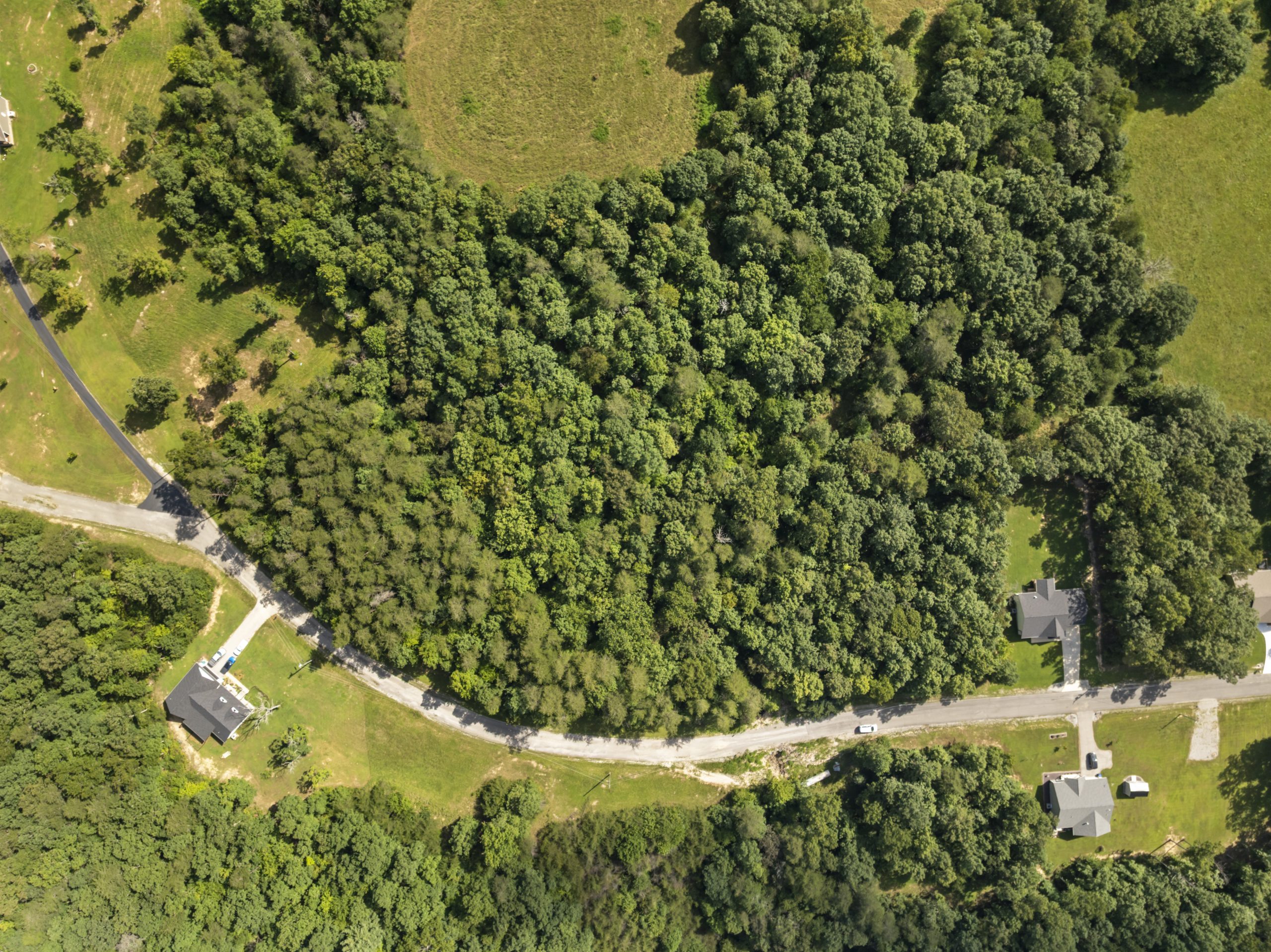
Much of the land for sale in Crossville TN can support a home, but buildability depends on whether the parcel sits inside city limits or in unincorporated Cumberland County, plus legal access, water, septic suitability, and recorded restrictions. “No zoning” is a starting point, not permission. Verify each item before you close.
What can you build on land for sale in Crossville TN?
Much of the land for sale in Crossville TN can support a home, but what you can build depends on four things: whether the parcel is inside city limits or in unincorporated Cumberland County, whether it has documented legal access, how water and wastewater will be handled, and what recorded restrictions apply. A listing that says “unrestricted” or “no zoning” is a starting point for your questions, not the answer.
Key Takeaways
- Recent local market data puts the Cookeville-area median sale price for homes at $300,000, which is the existing-home benchmark to weigh against a land-plus-build plan, but it is not a Crossville land price.
- Your first question on any parcel is jurisdiction: Crossville city limits go through the City of Crossville Codes Enforcement department, and land outside the city goes through the Cumberland County Codes Department.
- “No zoning” or “unrestricted” in a listing does not prove a parcel is buildable, because septic feasibility, access, easements, deed restrictions, and floodplain rules can still limit what you do.
- Electrical permitting and inspection are performed by the State of Tennessee, separate from local building-code administration.
- Advertised acreage is not the same as usable building area, since slope, drainage, rock, streams, and driveway grade decide where a home can practically go.
I walk my clients through this before they fall in love with a view. A gorgeous ridge or a quiet wooded tract can turn into an expensive surprise if nobody checks the basics first. If you’re searching for land for sale in Crossville TN, here’s the checklist I use.
What should you check first on land for sale in Crossville TN?
Check jurisdiction first, because it decides which office answers your permitting questions. Projects inside Crossville city limits are handled through the City of Crossville Codes Enforcement department, and projects outside the city are directed to the Cumberland County Codes Department.
Is “unrestricted” or “no zoning” the same as buildable?
No. Some Cumberland County listings, like this acreage on Lantana Road, state the parcel has no zoning. The same kinds of listings still point to other constraints such as septic requirements, utility availability, road frontage, and subdivision conditions. Another Taylors Chapel Road listing shows the same pattern.
Those are seller representations, not proof. “No zoning” does not by itself mean every use or subdivision is allowed. Before you get attached, confirm:
Deed restrictions and subdivision covenants
- Utility easements and shared-drive obligations
- Floodplain exposure
- Septic suitability
- Whether the tract number on the listing matches the actual parcel you’d own
Which codes and inspectors apply to a new build?
Inside the city, Crossville lists the International Residential Code along with building, plumbing, mechanical, energy, and fire codes as its standards. Outside the city, Cumberland County publishes residential and commercial code materials, a permit-fee schedule, and a construction-cost table on its Codes Department page. Electrical permitting and inspection are performed by the State of Tennessee, per the city’s codes information.
Don’t rely on a listing’s description of what can be built. Verify the requirements and fees with the right office. Your specific parcel and plans decide what applies, and that’s a conversation I’m glad to help you prepare for.
How do water, septic, and access decide whether you can build?
They decide it more than almost anything else. A parcel without a workable water source, a workable wastewater plan, and documented legal access isn’t a homesite yet, no matter how pretty it is.
Is public water actually available to the parcel?
Verify water and wastewater separately. A listing may advertise public water, a water tap, nearby sewer, or “septic needed.” Ask the utility whether service is truly available to that parcel, whether a connection or tap has already been paid, and what extending service would involve.
Will the land support a septic system?
If public sewer isn’t available, you’ll need a wastewater plan, and I want that answered before closing, not after. Septic suitability depends on the specific soil and site, and a listing can’t tell you that. Ask the appropriate permitting office what’s required for your parcel, and build that timing into your offer.
Does the parcel have documented legal access?
A visible driveway or road connection is not the same as legal access. Review the deed and recorded plat for access rights, road frontage, shared-drive obligations, maintenance responsibilities, and easements. Your closing agent, either a title company or a real estate attorney, can help you review what’s recorded. Buyers choose whichever fits them, and both are normal in Tennessee.
Where on the acreage can a house practically go?
For wooded, sloped, or scenic tracts, look at topography, drainage, rock, streams, wetlands, flood exposure, and driveway grade. A mountain-view parcel may have only a small practical build area, and driveway construction and utility extension can materially affect feasibility. I always walk the land with buyers and map out the likely homesite before we write an offer.
What kinds of land opportunities exist around Crossville?
Crossville offers everything from small lots in planned communities to larger wooded or open acreage, and each type comes with its own verification list. These are the profiles I see most often in current listings.
| Land profile | What it can offer | Verify first |
| Small lots in planned communities such as Lake Tansi | A defined lot with a set boundary | Private subdivision or homeowners-association restrictions, utility availability |
| Larger wooded parcels | Privacy and room for a private estate | Legal access, usable build area, septic suitability |
| Open acreage | A rural residence, gardens, animals, or farm-related use | Applicable restrictions and approvals, water source |
| Scenic or elevated tracts | Views | Slope, drainage, driveway grade, utility-extension feasibility |
| Large parcels marketed for future subdivision | Possible division potential | County codes, recorded restrictions, road frontage, and conditions in writing |
Current listings show this range. One Osage Road listing and another on Newton Road illustrate how differently land is marketed, from small residential lots to unrestricted acreage to parcels advertising public water or nearby utilities. Treat the marketing language as a lead to investigate, not a guarantee.
Subdivision language deserves extra caution. A tract advertised as “to be subdivided” needs confirmation from county codes and your recorded documents, not reliance on the listing. Match the parcel number, deed, plat, tax map, and recorded restrictions to the actual tract you’re buying.
In a planned community like Lake Tansi, ask early about private subdivision or homeowners-association rules, because those can limit design, timing, and use in ways county codes won’t.
How does the Cookeville market factor into building versus buying?
Cookeville-area home data gives you an existing-home benchmark, but it doesn’t price Crossville land. Recent local market data for the Cookeville area looks like this:
| Cookeville-area home market measure | Recent figure |
| Median sale price | $300,000 |
| Median days on market of recently sold homes | 35 |
| Active listings for sale | 353 |
| New listings in the last 30 days | 115 |
| Homes sold in the last ~90 days | 319 |
These figures cover roughly the last 90 days as of October 2026 and describe homes, not vacant land. An individual property’s value depends on condition, location, build year, and timing. For a separate view, the Federal Reserve Bank of St. Louis reports a median of 68 days on market in August 2026 for the Cookeville area, after 65 days in July and 58 in June. That’s a different measure from the sold-home figure above, and it’s also a housing statistic, not a Crossville land statistic. Please don’t use either one to conclude anything about vacant-land pricing or demand.
If you want to see how local building activity is moving, Crossville’s codes page posts monthly permit reports. They show activity, but not how many permits were for new homes versus additions or other work.
The real decision is whether land plus a build fits your goals better than an existing home. I cover the tradeoffs in why you may want to seriously consider a newly built home. If you’re leaning toward a builder, read why having your own agent matters when buying a new construction home before you sign anything.
Every parcel is its own puzzle, and the only way to know what yours can become is to check the specifics with someone who knows this market. That’s exactly the kind of homework I do with my buyers before we make an offer.
If you’d like to hear how past clients describe working with me, you can read my reviews on Google, Zillow, and Realtor.com.
FAQ
Can I build a house on unrestricted land in Cumberland County, Tennessee?
Often yes, but “unrestricted” is a starting point, not a final answer. Deed restrictions, subdivision covenants, easements, access conditions, floodplain rules, and septic feasibility can all still limit what you build. Confirm the requirements with the Cumberland County Codes Department before you commit.
Does land outside Crossville city limits have zoning?
Some Cumberland County listings state that the parcel has no zoning, but that’s a seller’s representation you should verify. Land outside the city is directed to the county codes office for permitting questions. Even with no zoning, you still need to check access, utilities, septic, and recorded restrictions.
How do I verify that a Crossville land parcel has legal road access?
Review the deed and the recorded plat, not just what you can see on the ground. Look for road frontage, easements, shared-drive terms, and who maintains the road. Your closing agent, either a title company or a real estate attorney, can help you confirm what’s recorded.
What should I check before buying wooded or mountain-view acreage near Crossville?
Check where a house can realistically sit, since slope, drainage, rock, streams, and driveway grade can shrink the usable area. Then verify water, septic suitability, and utility extension. The full acreage in the listing is rarely all buildable.
Can I subdivide acreage in Cumberland County?
Don’t assume so just because a listing says it has subdivision potential. Confirm with the county codes office, and review recorded restrictions, road frontage, and any conditions tied to the parcel. I’d want all of that in hand before you pay for the land on a subdivision plan.
The bottom line: the best land buys in Crossville come from verifying jurisdiction, access, water, septic, and restrictions before you fall for a view. I’d love to help you do that homework and find a parcel that actually fits your plans. Schedule a call today!
About Victoria Eberhart
Known for her strategic approach, data-driven insights, and client-first mentality, Victoria Eberhart has built a reputation for delivering results across residential, commercial, and investment real estate. Her expertise spans relocation, new construction, land, and investment opportunities, and she leads a growing team of agents with real-world training, hands-on coaching, and business strategy.
Wallace Real Estate – Upper Cumberland · 931-267-8996
Equal Housing Opportunity. Victoria Eberhart, Broker, licensed in Tennessee and regulated by the Tennessee Real Estate Commission. This article is general information, not legal, tax, or financial advice; confirm your own numbers and parcel details with your closing agent, tax advisor, or lender.